
Pre-Purchase RV Inspection Checklist: What to Expect
MJ
Understanding the Importance of an RV Inspection
Purchasing an RV is a significant investment, and conducting a thorough pre-purchase inspection is essential to ensure you are making a wise decision. An inspection can reveal hidden issues that might not be apparent during a casual walk-through. This process helps protect your investment and ensures your future travels are safe and enjoyable.
An RV inspection involves checking various components and systems within the vehicle. Hiring a professional inspector is often recommended, but having a checklist can also guide you if you decide to inspect on your own.

Exterior Inspection
The exterior of the RV is your first point of contact. Start by examining the body for any signs of damage, such as dents, scratches, or rust. Pay special attention to the seams and joints, as water leaks can lead to costly repairs.
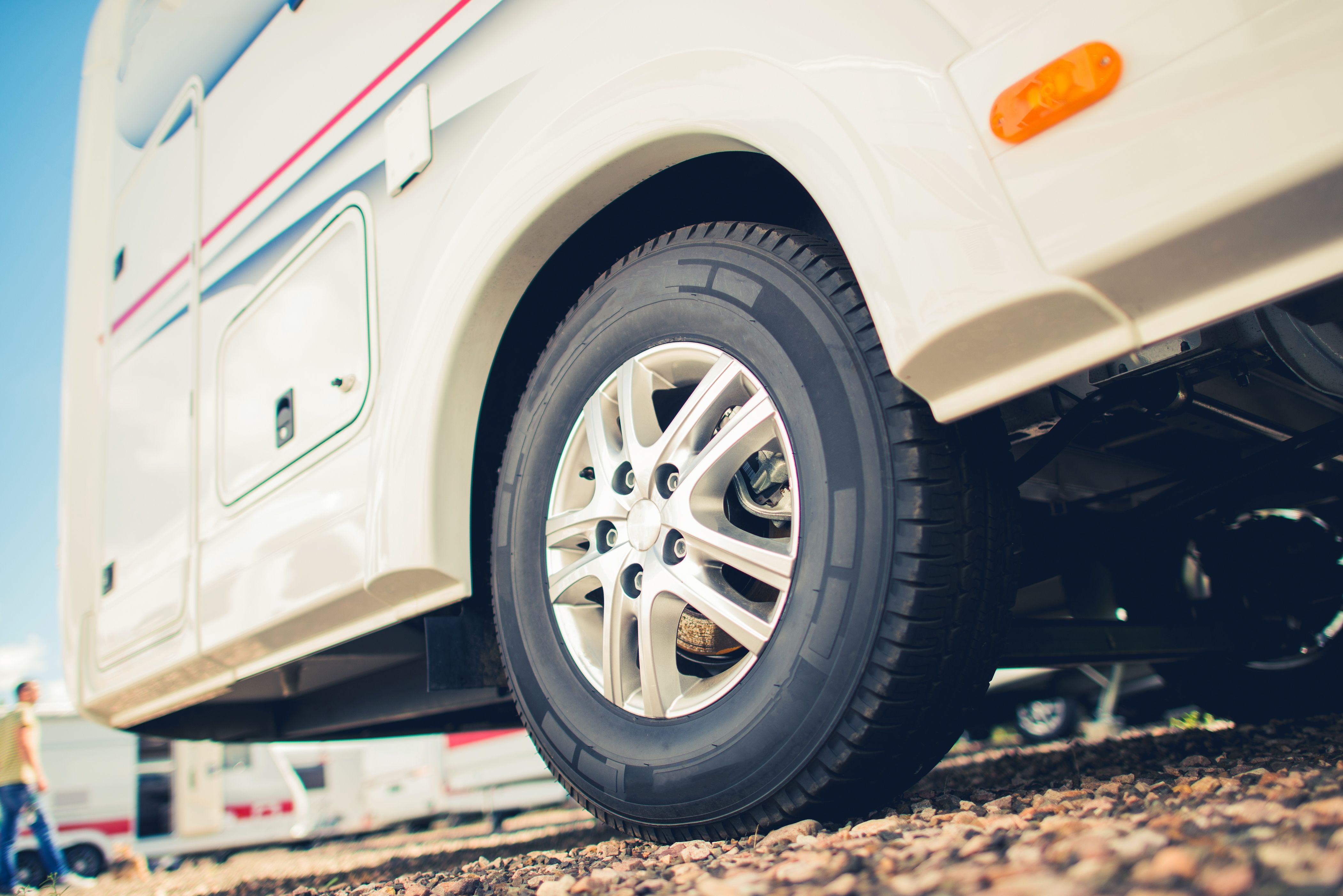
Check the condition of the tires, ensuring they have sufficient tread and are free from cracks. Inspect the roof for any signs of leaks or damage, and ensure all vents and air conditioning units are securely fastened.
Interior Inspection
Once inside the RV, assess the condition of the flooring, walls, and ceiling. Look for any water damage or mold, especially around windows and in corners. Test all appliances, including the refrigerator, microwave, and stove, to ensure they are functioning properly.
Inspect the plumbing system by running water through all faucets and checking for leaks. Test the toilet and shower to ensure they are in good working condition.

Mechanical and Electrical Systems
The mechanical and electrical systems are crucial for the safe operation of an RV. Start by checking the engine and transmission for any signs of leaks or unusual noises. Verify the condition of the battery and electrical connections.
Test all interior and exterior lights, including brake lights and turn signals. Ensure the generator, if included, starts easily and runs smoothly.
Safety Features
Safety should always be a priority. Check the condition of the fire extinguisher and ensure smoke and carbon monoxide detectors are installed and operational. Verify that seat belts are in good working order and that emergency exits are accessible and functional.
Documentation and Test Drive
Before finalizing your purchase, review all documentation, including service records and any warranty information. A well-documented service history can provide insights into how well the RV has been maintained.
Take the RV for a test drive to ensure it handles well and that there are no unusual noises or vibrations. Pay attention to how the brakes respond and test the steering for any signs of issues.
Final Thoughts
Conducting a comprehensive pre-purchase inspection is a critical step in acquiring an RV. Whether you choose to hire a professional or use a detailed checklist, thoroughness is key. This process not only helps you avoid unforeseen expenses but also provides peace of mind as you embark on your RV adventures.